Your alarm is stealing your mornings.
Six months a year, you wake up before the sun does. You snooze, you grab the phone, and the first half hour is gone. It's not you. It's your alarm — and there's a fix older than the alarm clock.
See what it's costing you ↓You're not bad at mornings. Your alarm is.
For thousands of years, humans woke with light, gradually — the body easing awake in stages before the eyes even opened. Then, in a single generation, we swapped the sunrise for a 90-decibel siren six inches from our heads — and started blaming ourselves for hating mornings. Here's what that trade quietly costs you, every day. None of it is your fault. All of it is fixable.
You're losing 55 hours a year to the snooze button.
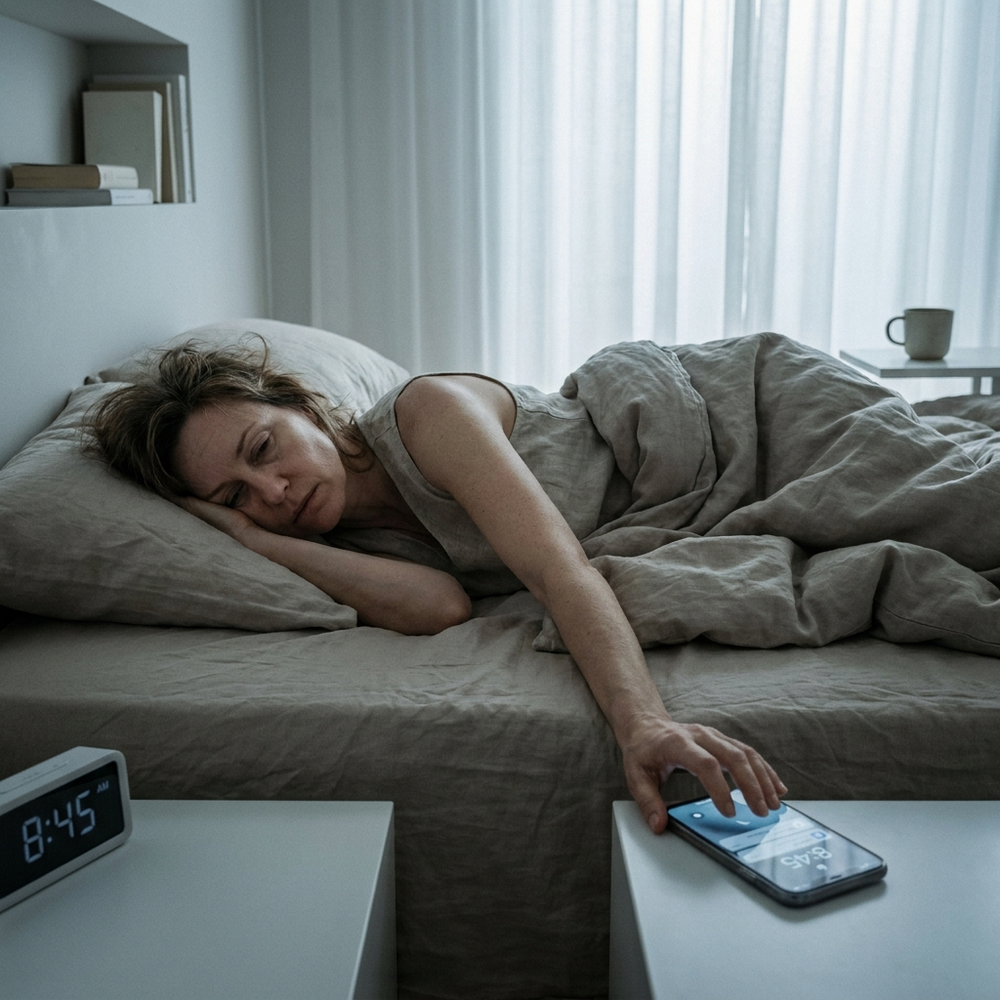
6:45 AM. The siren detonates, your heart pounding before your eyes open. Snooze, snooze, grab the phone "just to check the time" — and resurface twenty minutes later, already behind.
Call it 30 minutes, every single morning. That's about 15 hours a month, 55 hours a year: a full working week spent half-asleep, lost to a button and a feed you never chose. You never feel it go. It just quietly disappears.
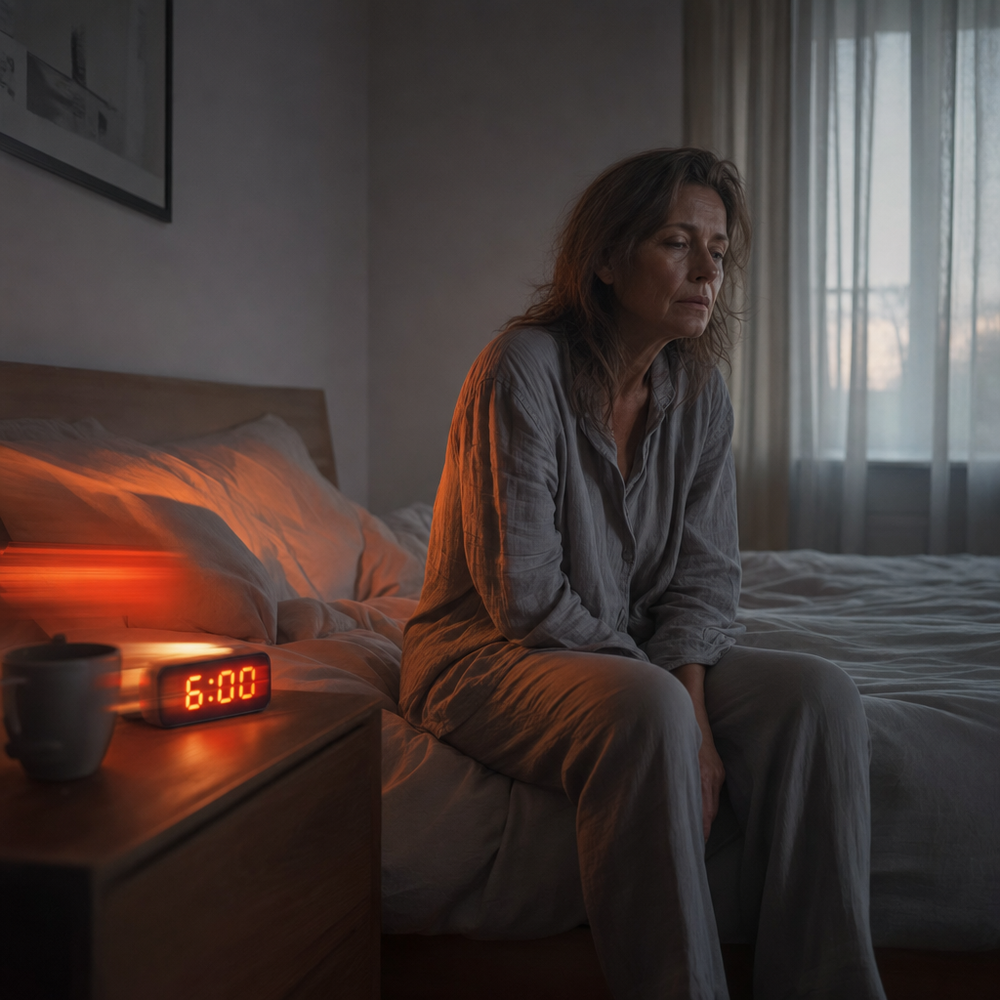
Every morning, your alarm robs your brain of its sharpest hour.
A jarring alarm rips you out of deep sleep and triggers sleep inertia — mental fog that can linger for hours. Your first hour awake, the one meant to set up your whole day, is slow, groggy and reactive. You blame the coffee. It was never the coffee.
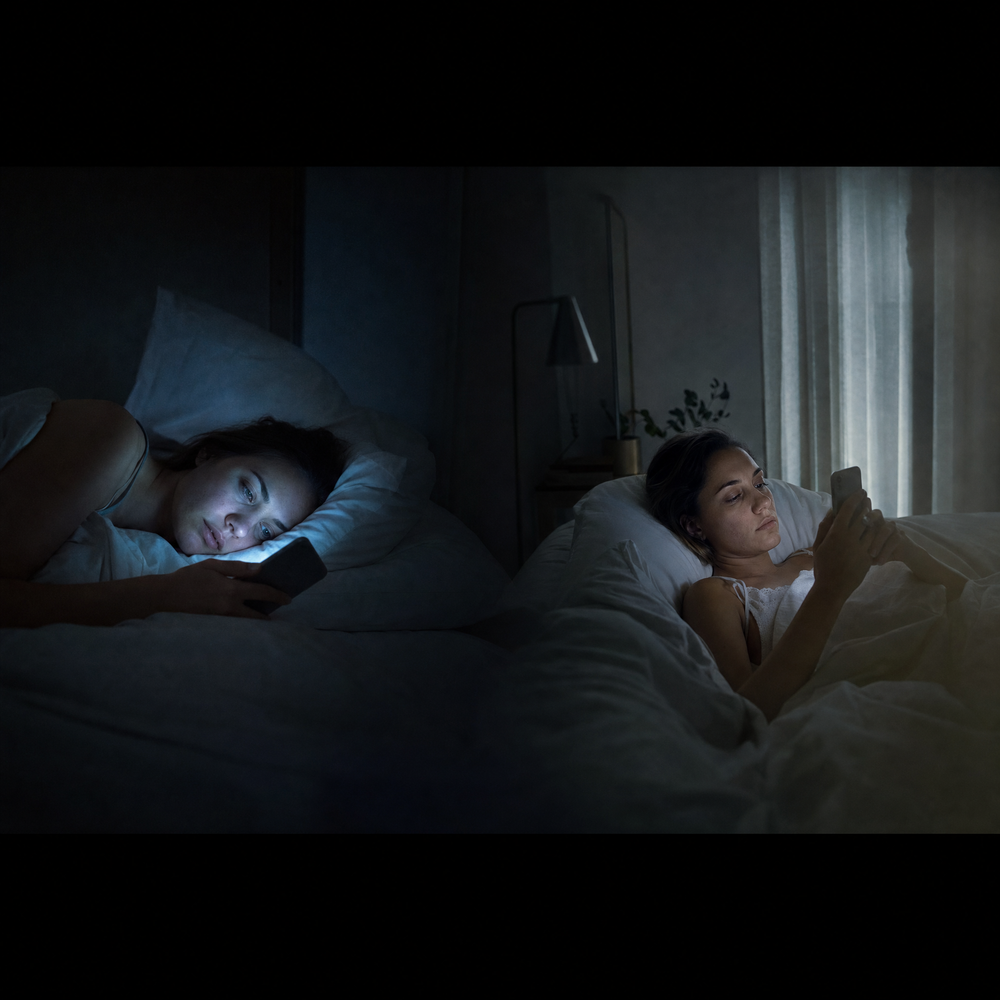
Your phone steals your sleep twice — the night before, and the morning after.
It keeps you scrolling long past when you meant to sleep. Then it's the first thing you grab, pulling you into the headlines before you've even sat up. It's the one object in your room that robs you on both sides of the night, and it gets away with it because it's also your alarm.
 Already know this is you?30 nights to try it — full refund if your mornings don't change.
Own your mornings
Already know this is you?30 nights to try it — full refund if your mornings don't change.
Own your mornings
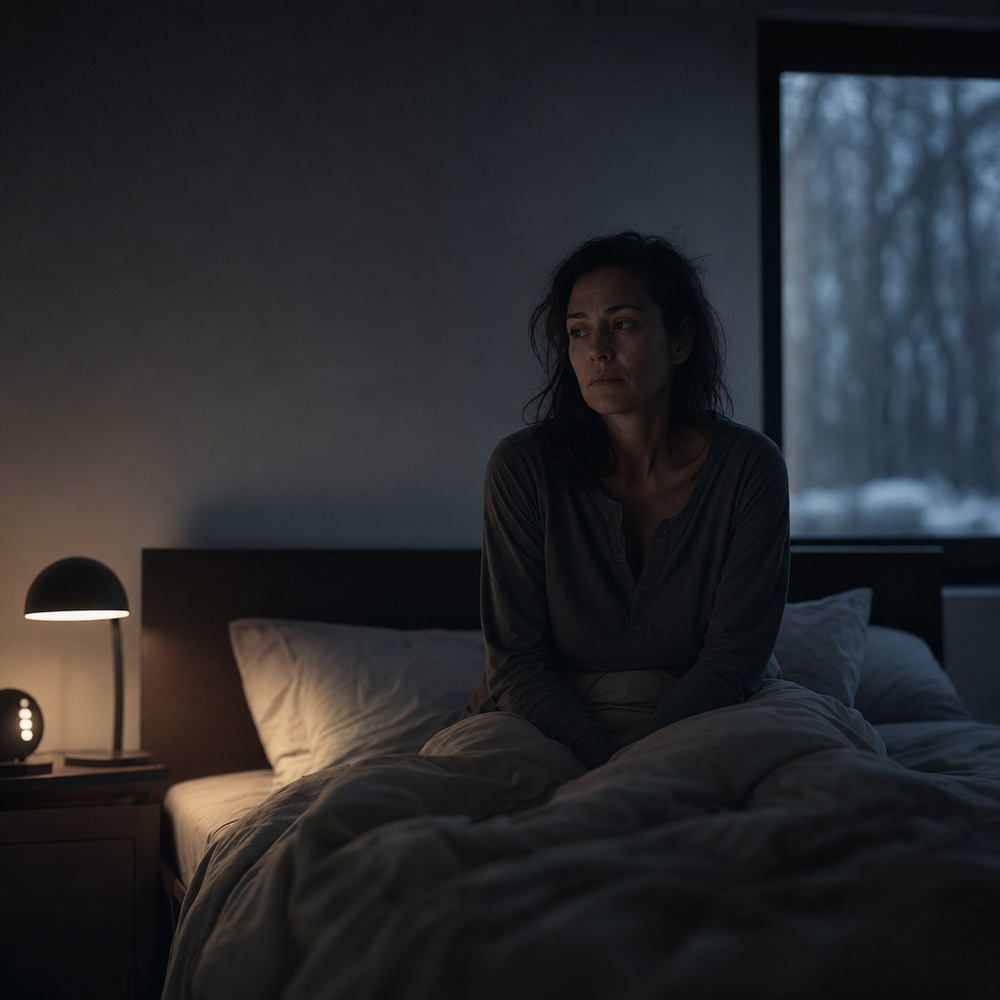
Six months a year, your body wakes up in the dark — and pays for it.
From October to March, most Canadians wake long before the sun. Your body clock runs on light, and all winter it gets none when it matters most — so it keeps you heavy, foggy and flat all day, and you can't work out why. It isn't you. It's the missing sunrise.
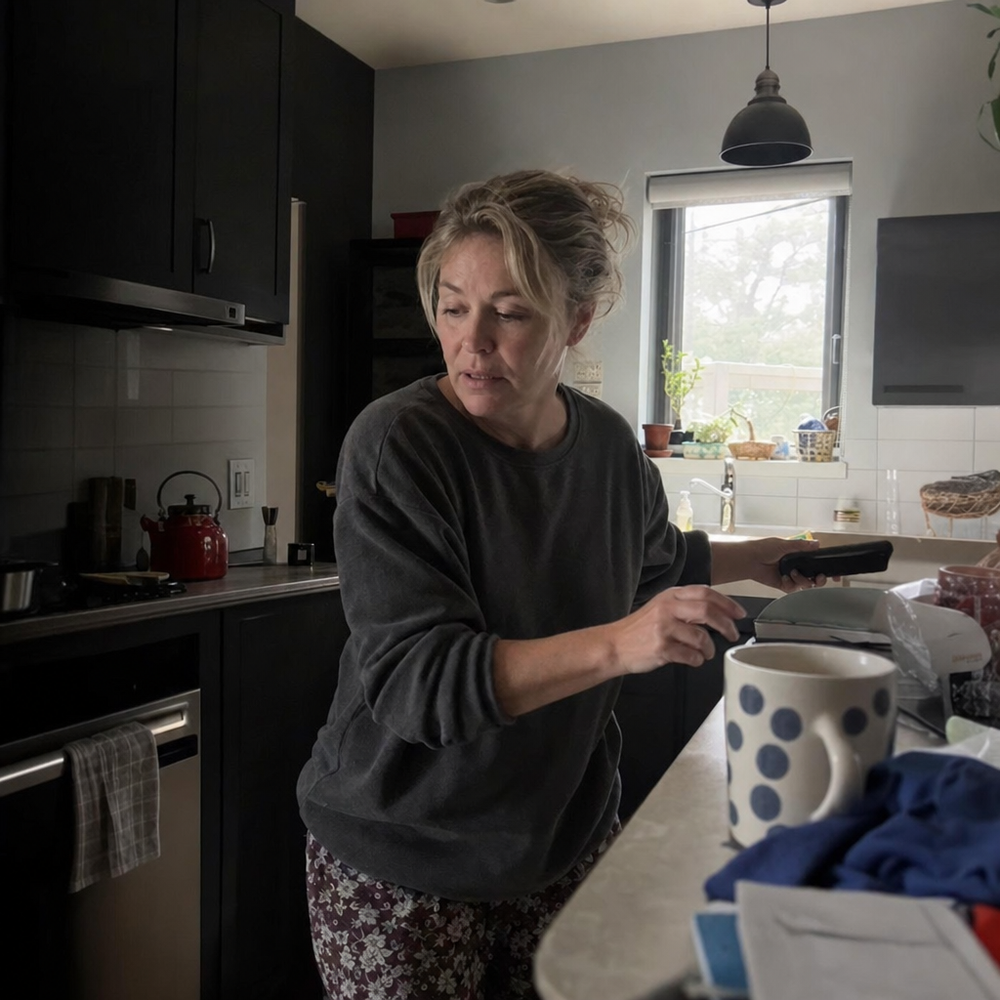
The calmest 30 minutes of your day are gone before you notice.
The first half hour after waking sets the tone for everything after it. Yours vanishes into notifications, someone else's morning, news you never asked for — and by the time you look up, the calm is gone and you're already behind. That slow, quiet morning you keep meaning to have? You've never actually had it.
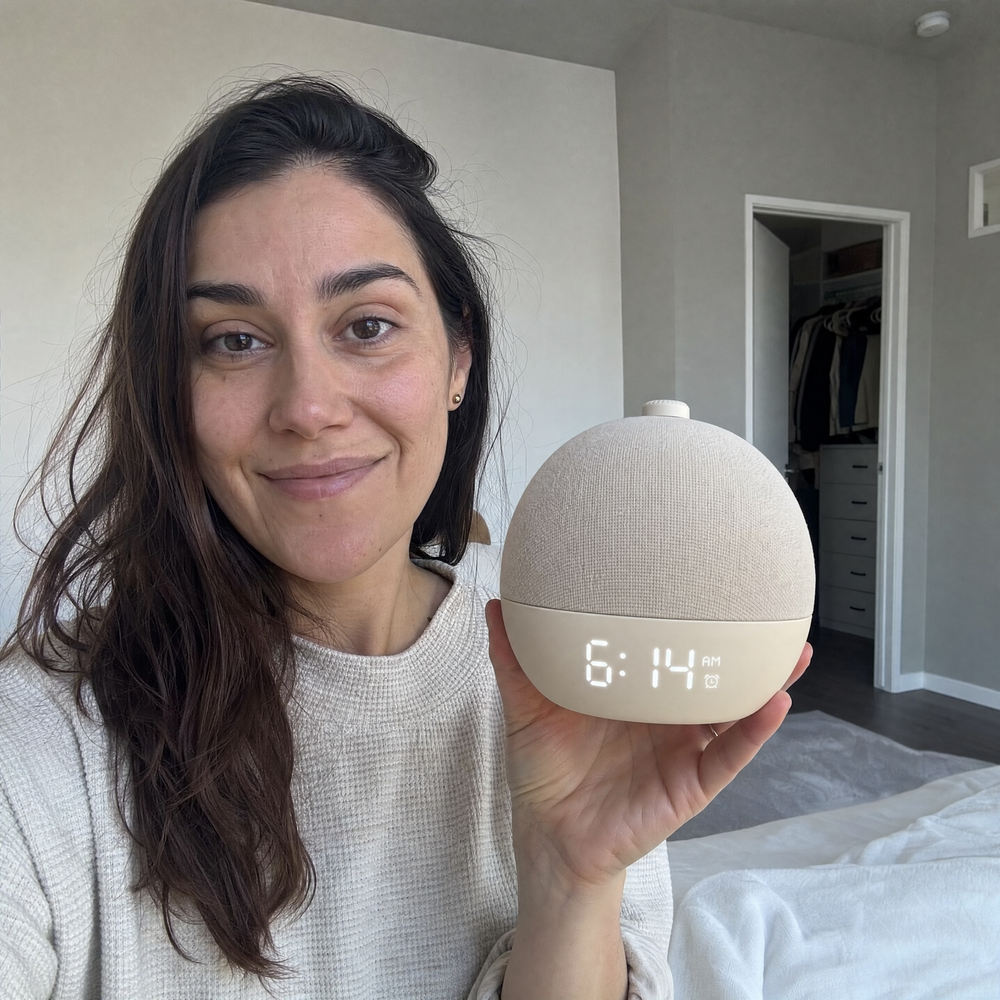
You've spent years believing you're bad at mornings. You were wrong.
"I'm just not a morning person" — you've repeated it so often it feels like a fact about you. It isn't. It's the result of being startled awake, in the dark, by the wrong tool, ten thousand mornings in a row. You were never broken. You were just badly woken.
Change the wake-up, and the morning person you assumed you'd never be simply shows up. Waky Dawn is that one change — plug it in once and wake up like you finally chose to. The only regret people mention is not trying it sooner.
This isn't a wellness trend. It's 40 years of sleep science, ignored by your alarm clock.
That groggy first hour has a name — 'sleep inertia' — and waking with gradual light is one of the most-studied ways to soften it. Studied in sleep-medicine labs since the 1980s, the finding holds: when light rises before your alarm, your brain starts waking on its own, and you surface clear instead of jolted. Even 20 minutes of that light has been linked to sharper thinking hours later. The numbers are from peer-reviewed human studies, not from us.
The problem is common. The science is settled.
Peer-reviewed human research on morning light. Real figures, real sources.
Meet Waky Dawn
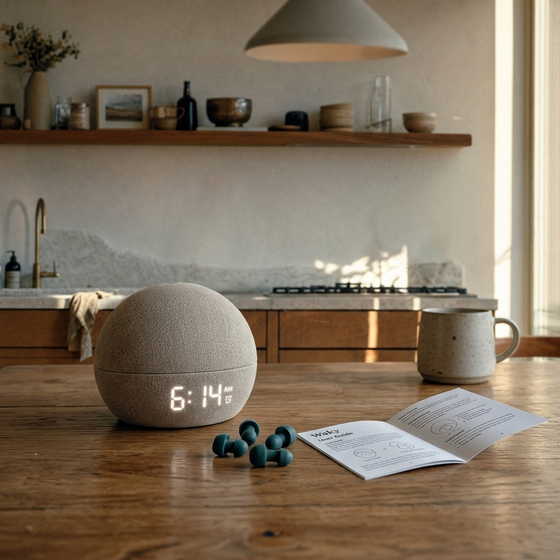
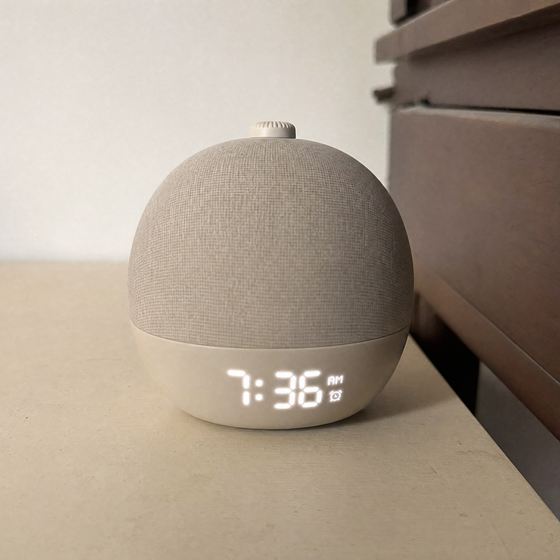
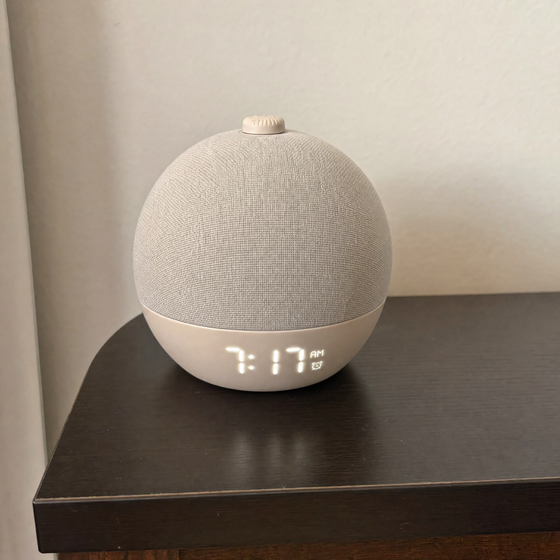
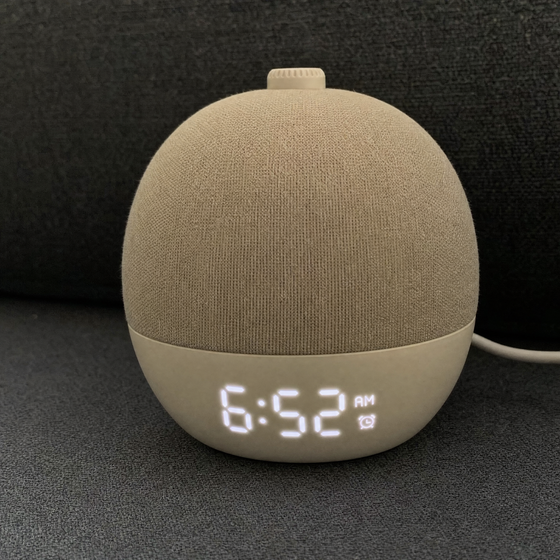
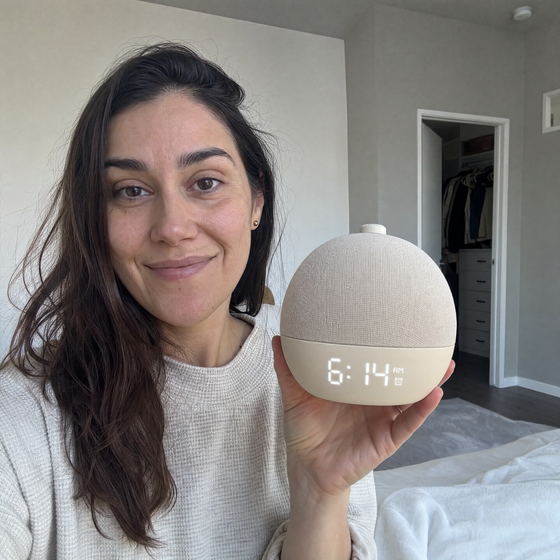
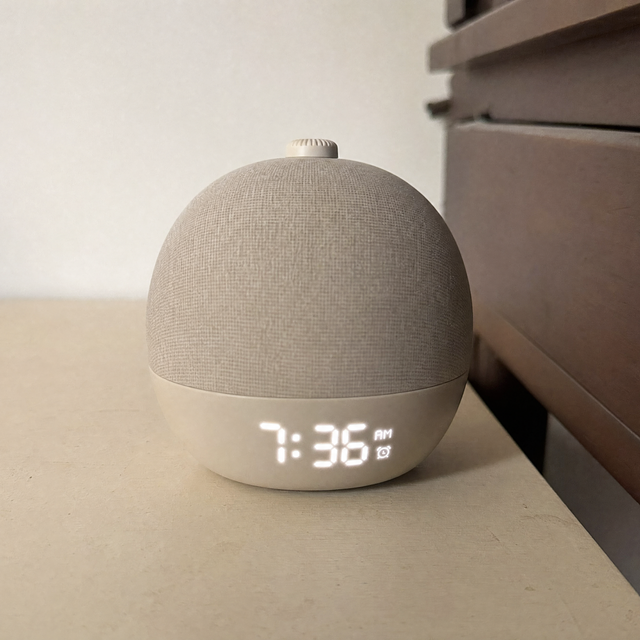
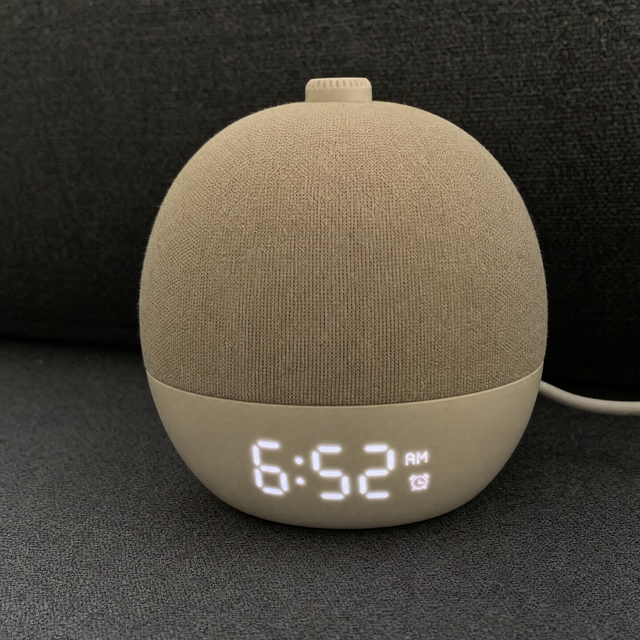
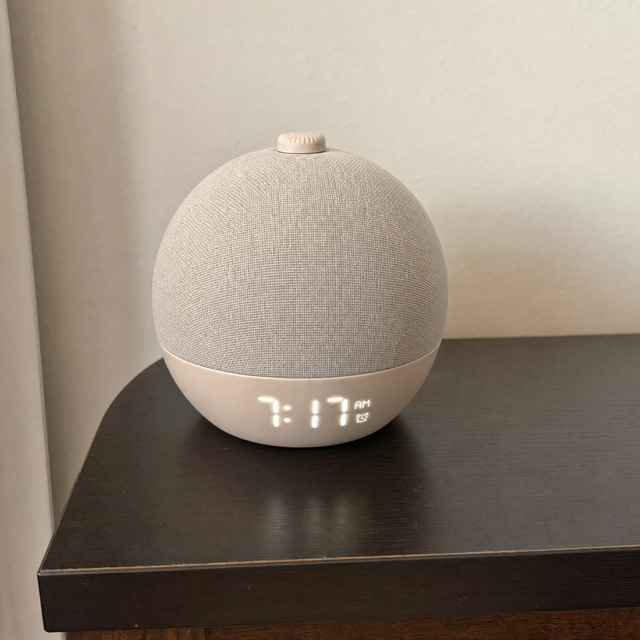
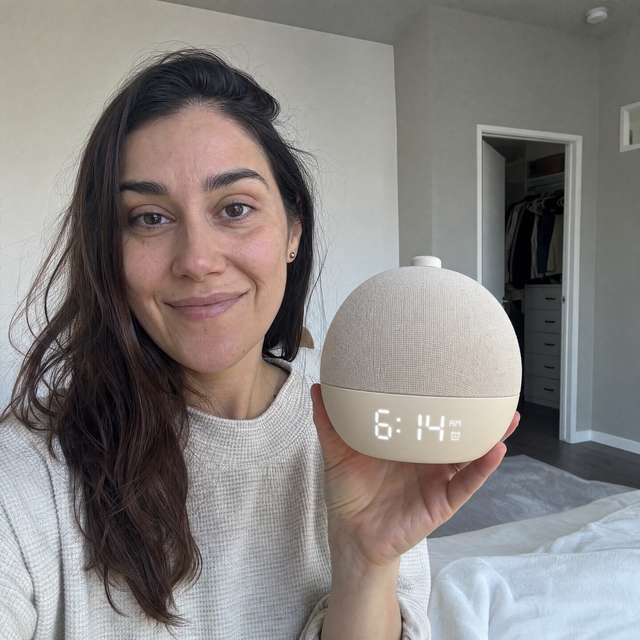
The phone-free sunrise alarm. 30 minutes of gradual light, a gentle backup sound, a sunset wind-down mode — and nothing to download, ever.
Waky Dawn — $169 CAD
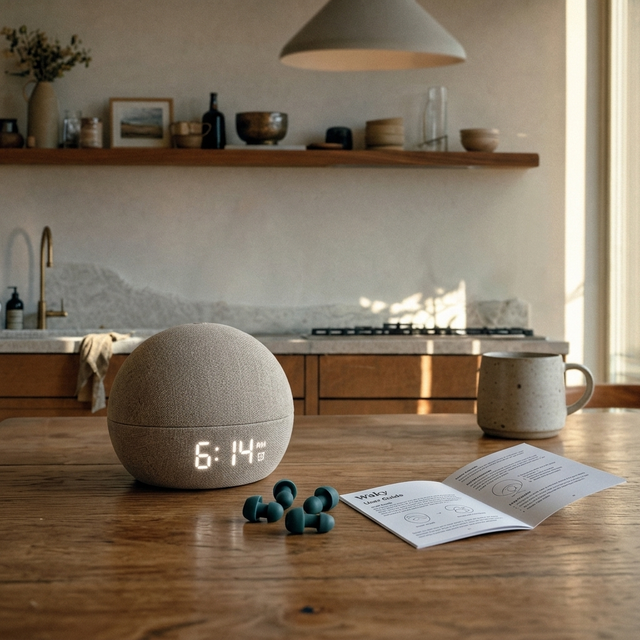
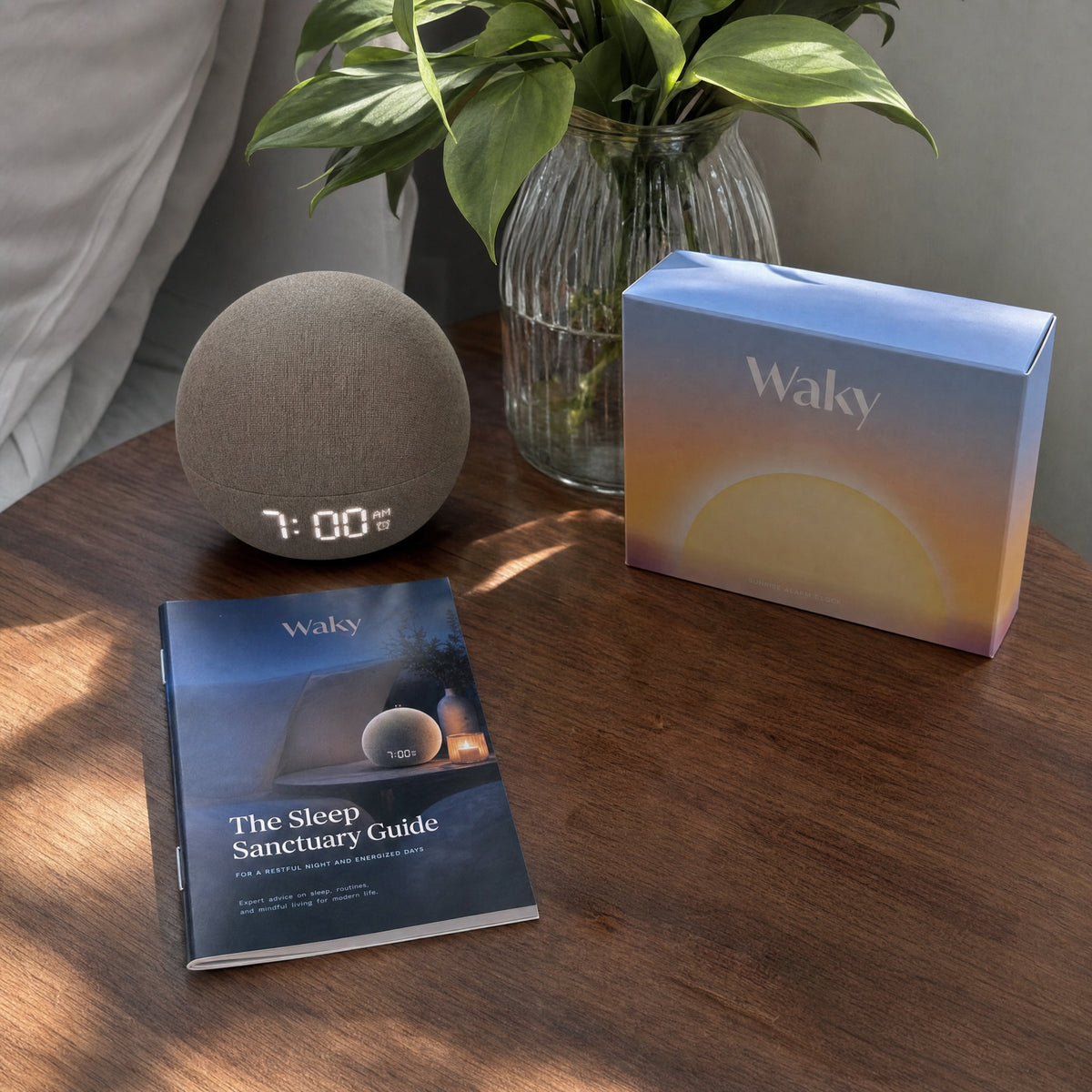
Every Waky Dawn now ships with the Waky Hush silent alarm ($79 CAD), free premium earplugs and two printed morning guides — included, not upsold.
Questions? We're here to help.
What if the light alone doesn't wake me?
Everyone responds to light differently, so Dawn doesn't rely on it alone: at your chosen time a wake sound plays. The light is the gentle part, the sound is the safety net. Keep your usual alarm on for the first few nights while you find the settings that suit you. And if you know you sleep through most alarms, the Waky Hush in your box is a different kind of cue — a vibration on your wrist that rises in three stages until you switch it off.
It's still dark when I get up for half the year. Will this help?
That is the morning it was built for. From October to March, your alarm often goes off before the sky has any light in it. About 30 minutes before your wake-up time, Dawn starts filling your room with warm light, so you open your eyes to a lit bedroom instead of darkness — and the sound only plays at the time you set. It won't shorten winter; it changes what the first minute of your day looks like.
Do I need an app, Wi-Fi or a subscription?
No. Plug it in, set your wake-up time on the clock, done. There's no account to create, no update to install and no monthly fee — which is also why your phone can spend the night in another room.
I share a bedroom. Will it disturb my partner?
Honest answer: a light that fills the room is visible to both of you. It's far softer than a phone siren next to their head, and many couples end up waking more calmly together. If your wake-up times are very different, the Waky Hush wakes one of you on the wrist, in silence, without touching the room — that's why it's in the box.
My phone alarm is free. Why pay $169?
Your phone does wake you — with a sound, from the dark, and it's the first thing in your hand. Dawn gives you two things a phone can't: light that builds before the alarm, and a wake-up that doesn't need your phone within reach. $169 is paid once, includes the Waky Hush, the earplugs and both guides, and nothing renews. Whether it changes your mornings is for you to judge — that's what the 30 nights are for.
Can I try it at home? What if it isn't right for me?
Yes. Use Dawn every night for a full month from the day it arrives. If your mornings haven't changed, email hello@waky-online.com within those 30 nights and we'll walk you through the return. Send back the clock in its packaging; the Waky Hush, the earplugs and both guides are yours to keep. Return shipping is at your cost, and we refund the full price once the parcel reaches us.
When will it arrive, and what if I need help?
Orders ship with tracking and usually arrive in about 10 days; the tracking link comes by email. For setup, a fault or a return, write to hello@waky-online.com — you don't need a problem to write.
Is this a light-therapy / SAD lamp?
No. Clinical light boxes use around 10,000 lux to treat conditions like seasonal depression. Waky Dawn is a wake-up light: gentle, gradual light to ease you awake. For a diagnosed condition, talk to your doctor.
Is it only useful in winter?
Winter is when you'll notice it most, because it gives you the light the sky doesn't. The rest of the year it does the same job: a gradual wake-up instead of a sudden sound, an alarm that lets your phone sleep elsewhere, and a sunset mode for the evening.